BPC-157: The Body's Blueprint for Accelerated Healing
Discovered in gastric juice, BPC-157 has become one of the most studied peptides in preclinical research for its remarkable tissue repair properties.
BPC-157 works by upregulating growth hormone receptors and promoting angiogenesis — two critical mechanisms in tissue repair.
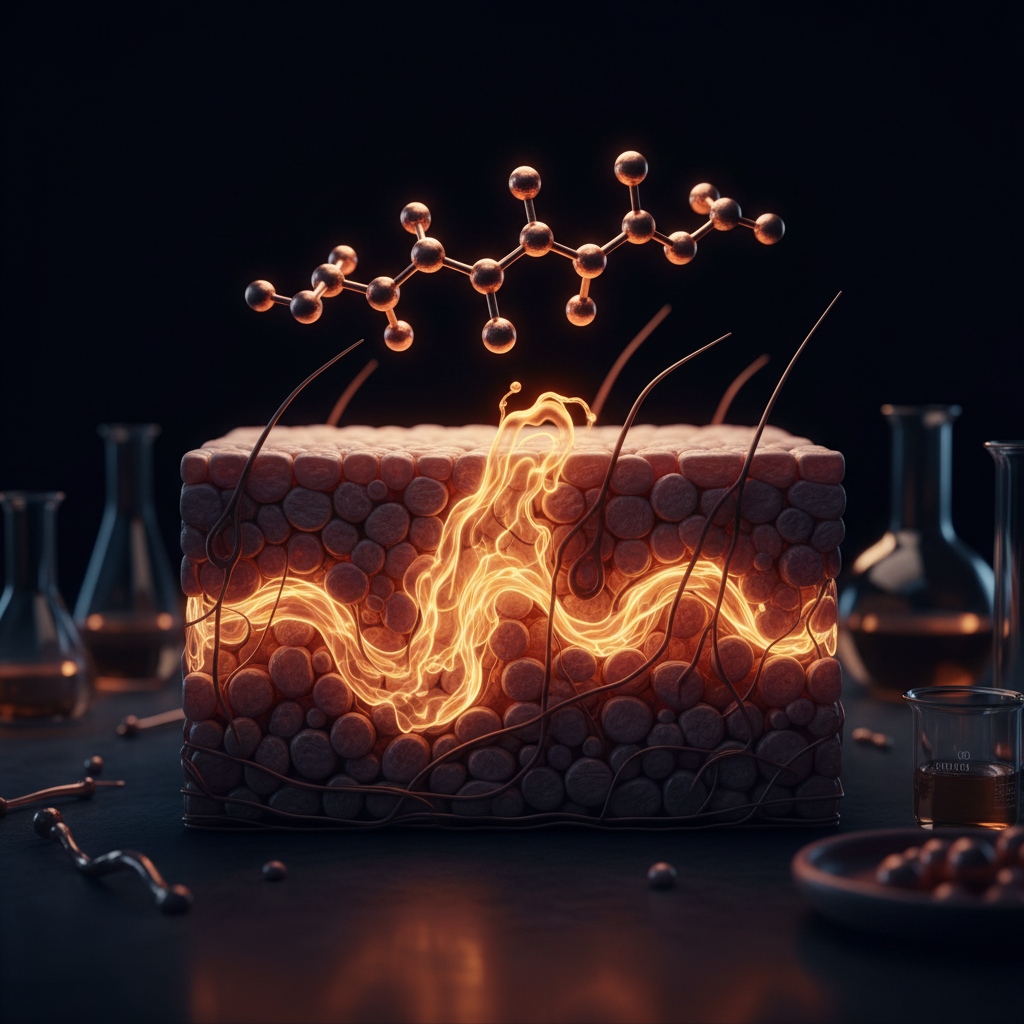
BPC-157, or Body Protective Compound-157, is a pentadecapeptide comprising 15 amino acids. It was originally isolated from human gastric juice, which hints at its primary domain of research: gastrointestinal healing.
In preclinical studies, BPC-157 has demonstrated an extraordinary ability to accelerate the healing of various tissue types including tendons, ligaments, muscles, and the gastrointestinal lining. Its mechanisms appear to involve the upregulation of growth hormone receptors, promotion of angiogenesis (new blood vessel formation), and modulation of nitric oxide synthase.
Researchers have been particularly interested in BPC-157's effects on tendon-to-bone healing. Studies in rodent models have shown significant improvements in tendon healing rates and tensile strength when BPC-157 was administered. The peptide appears to promote the proliferation of tendon fibroblasts and accelerate collagen formation.
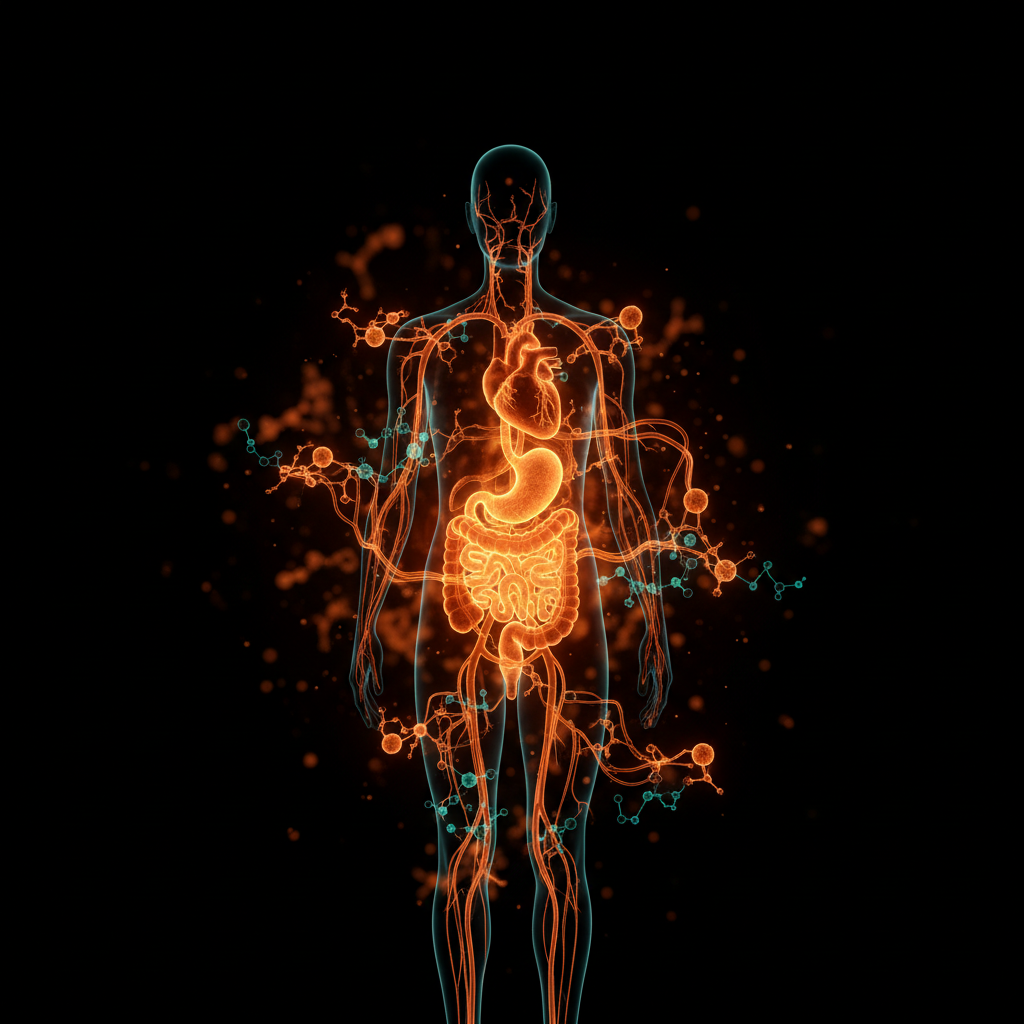
For gut health research, BPC-157 has shown promise in models of inflammatory bowel disease, fistulas, and gastric ulcers. It appears to work by protecting the gastrointestinal lining, promoting mucosal integrity, and reducing inflammation through several pathways.
>99% Purity
HPLC verified every batch
Research Grade
Independent CoA included
Lyophilized
Maximum compound stability
⚠ All content is for informational and research purposes only. Products are NOT FOR HUMAN CONSUMPTION.